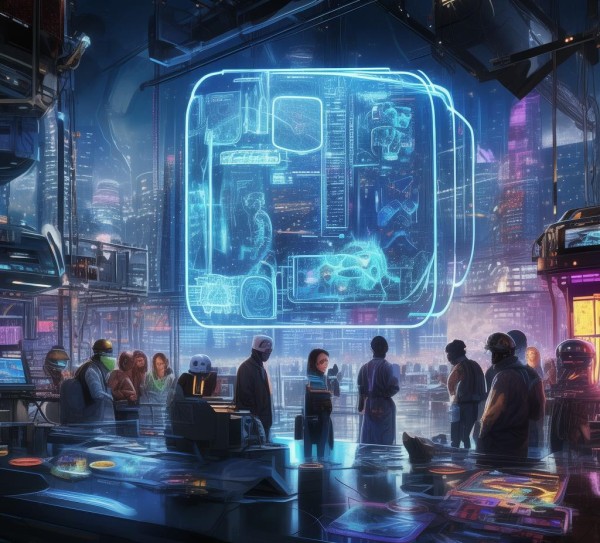
The Role of Technology in Innovation highlights the transformative impact of technological advancements on driving innovation across various domains. By leveraging technologies such as industrial互联网、大数据分析、人工智能和区块链, organizations can unlock unprecedented opportunities for creativity, efficiency, and personalization. These technologies not only accelerate the development of novel solutions but also enable the creation of seamless, personalized experiences that enhance customer satisfaction. Furthermore, technology serves as a powerful tool for fostering innovation by providing access to vast data, real-time insights, and scalable platforms. As technology continues to evolve, its role in innovation is likely to expand, driving the creation of arter, more innovative systems worldwide.
Technology is the foundation of modern society, driving progress and shaping the future. Innovation, at its core, is the engine behind technological advancements, continuously pushing the boundaries of what is possible. From groundbreaking medical treatments to transformative artificial intelligence, technology serves as a powerful force that drives innovation. In an era where technology is integral to daily life, recognizing innovation's role in driving progress becomes essential. Whether in scientific research, business operations, or everyday decision-making, innovation is the key to unlocking new possibilities. Technology has revolutionized industries, enabling unprecedented efficiency and creativity. For instance, the rise of AI and machine learning has transformed healthcare, finance, and transportation. By leveraging technology, businesses can process data faster, yze patterns more effectively, and make informed decisions. Innovation in these sectors has led to breakthroughs that have improved lives for individuals and communities. Similarly, technology has accelerated scientific discovery, paving the way for breakthroughs that have transformed entire fields of study. Innovation transcends technology; it is also driven by human creativity and ingenuity. The ability to think outside the box and come up with novel solutions is a cornerstone of innovation. Whether it be in engineering, design, or the arts, innovation often arises from a blend of technical expertise and creative vision. For example, the development of renewable energy technologies has been a product of a combination of technological innovation and scientific research. These innovations have not only addressed pressing global challenges but also contributed to a more sustainable future. The role of technology in innovation is further strengthened by the global and collaborative nature of resources. The internet has made rapid experimentation and collaboration possible across the globe, while global innovation platforms foster collaboration among diverse communities, enhancing a culture of shared progress. Moreover, the rise of AI has bridged access to information and knowledge, accelerating the pace of innovation by enabling rapid experimentation and knowledge sharing. In conclusion, technology is more than a tool; it is a catalyst for innovation. Innovation, in turn, drives technological progress, creating new opportunities and transforming the world. As technology evolves, so too will the necessity for continued innovation to meet the demands of a rapidly changing world. By embracing innovation and leveraging technology, we can unlock new possibilities, solve pressing problems, and create a more equitable and prosperous future.